





Frequently Asked Questions
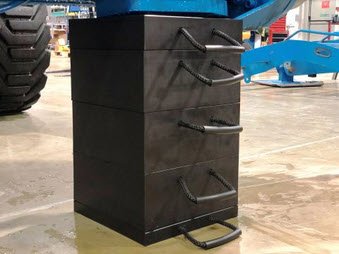
An outrigger pad is a load-spreading plate placed beneath the stabiliser or outrigger foot of a crane, MEWP, or other mobile plant. It distributes the equipment's weight over a wider area, reducing the pressure on the ground and preventing the machine from sinking or becoming unstable during operation.
ll of our outrigger pads are manufactured from ultra-high molecular weight polyethylene (UHMWPE). This is a high-performance engineering plastic that is resistant to water, chemicals, UV exposure, and corrosion — making it far more durable and longer lasting than traditional wooden crane mats or steel spreader plates.
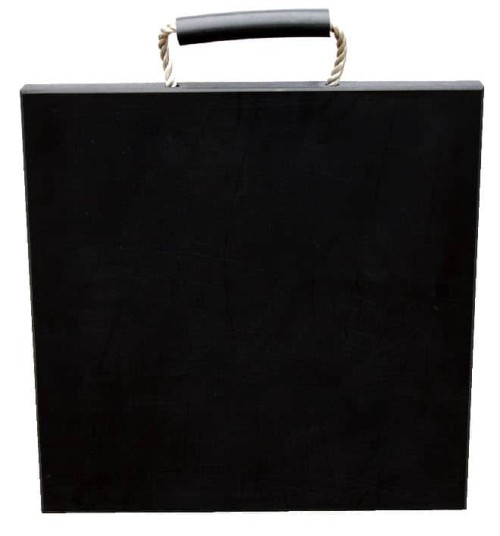
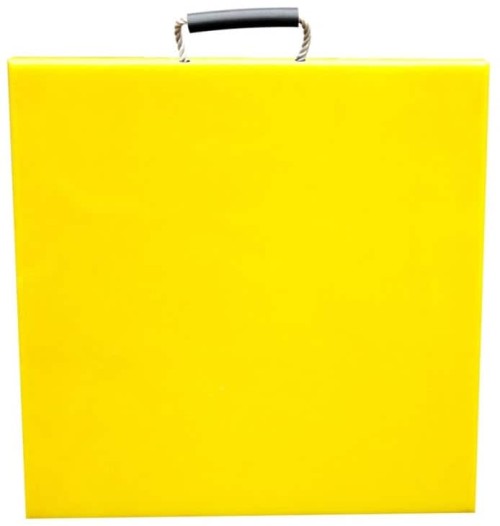
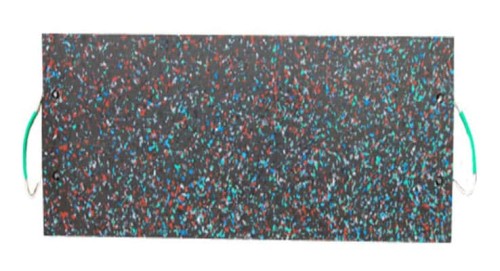
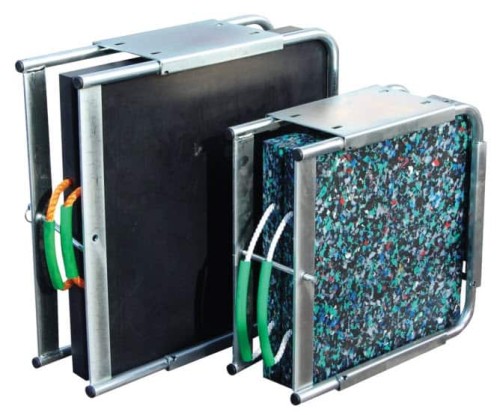
Our range covers vertical load capacities from 5 tonnes right up to 350 tonnes. We stock economy pads for lighter-duty applications, premium pads for everyday crane and MEWP work, and hi-pro recessed pads and multi mat systems for heavier or more demanding setups.
Economy pads are a cost-effective option for lighter equipment such as small access platforms and cherry pickers. Premium pads are thicker, handle higher loads, and are available in larger sizes — suited to mobile cranes and heavier plant. Both are made from UHMWPE and share the same core benefits of being lightweight, water-resistant, and virtually indestructible.
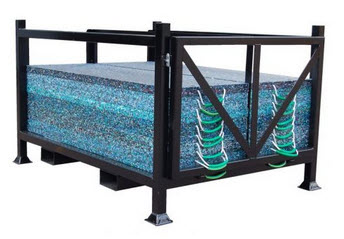
The multi mat system consists of sectional outrigger pads that interlock to create a larger continuous support area. Because each section is a manageable size, they're easier to carry and transport than a single large pad. For example, six 1500 x 500 x 50mm pads combine to give a 2.25m² support area with a 100 tonne load capacity.
UHMWPE outrigger pads are lighter than steel, won't rot or splinter like timber, and are resistant to water, chemicals, and UV degradation. They also retain their shape under extreme pressure thanks to built-in memory technology. Over time they're more cost-effective because they last significantly longer and require no maintenance.
The correct pad size depends on the maximum outrigger load of your equipment and the bearing capacity of the ground you're working on. As a general rule, softer ground requires a larger pad to spread the load more widely. If you're unsure, give us a call on 01953 889998 and we can help you work out the right size for your machine and site conditions.